From one UX designer
to a ten-person
product team.
Ventzke Media develops digital products and the structures behind them: bringing people together, strengthening responsibility and further developing the common way of working with the tasks.
Start with design. Thinking ahead as an organization.
Ventzke Media is a Berlin company for software and digital products, which I founded in 2008. The focus is on enterprise platforms, 3D configurators and long-term product development.
With the tasks, the organization also develops. Good results depend on how people work together, share knowledge and make decisions. My contribution combines the positioning, the team and the common way of working.
From own UX work to an interdisciplinary team.
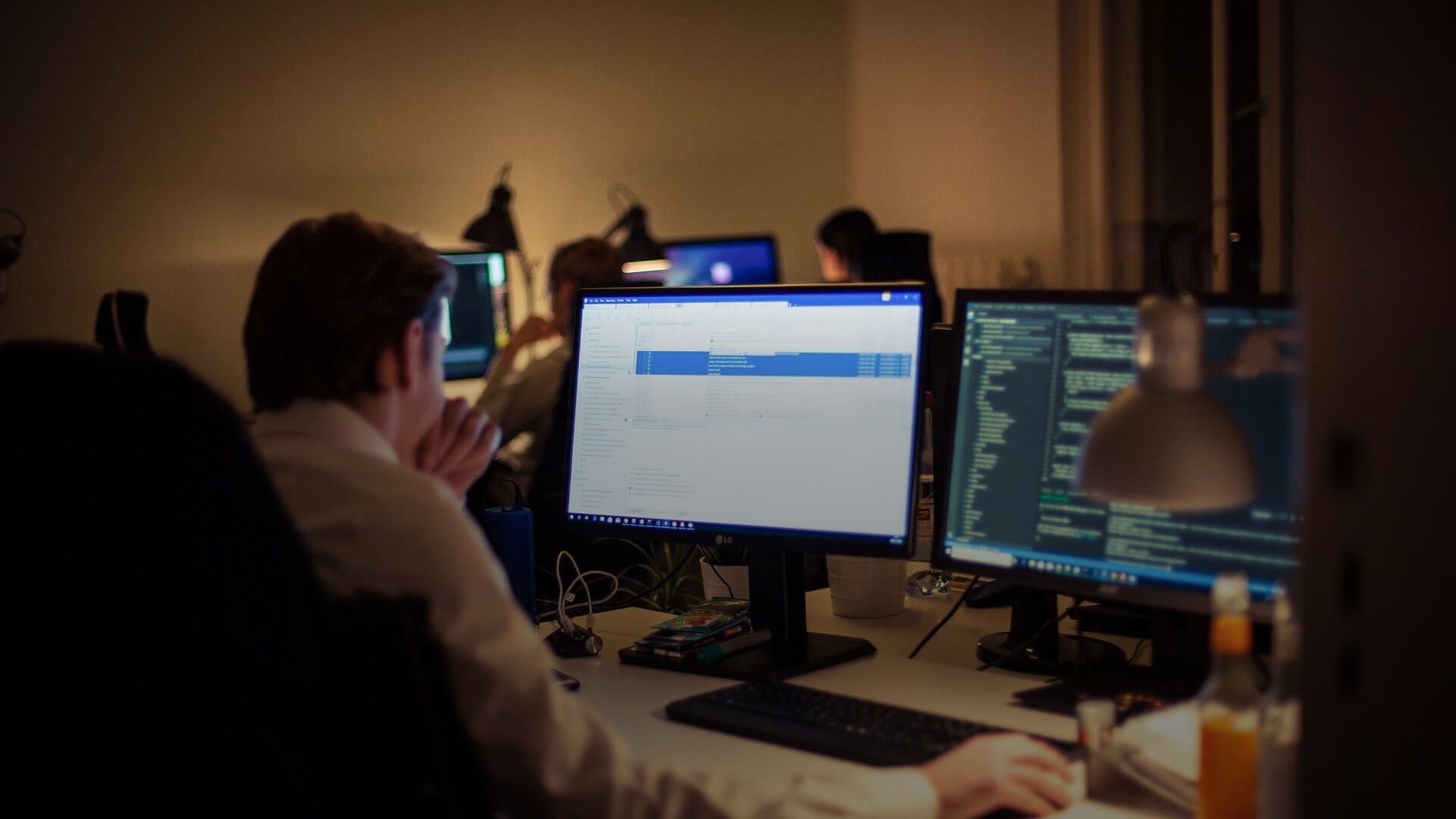
I combine my own UX practice with building interdisciplinary teams. The cooperation includes design, engineering and product and project management. The current structure ranges from individual specialists to a team of ten with four designers, four engineers and two people in product and project management.
Recruiting, development and professional direction go together. The experience from more than 100 hiring interviews flows into the selection and development of people. I accompany designers and product managers to take on greater responsibility and develop professionally.
Recognising potential
In addition to existing skills, I am interested in how people learn, deal with uncertainty and take responsibility for a common outcome.
Enabling development
Coaching, concrete feedback and real decision-making spaces help to take on new tasks. The experience gained from the IHK-recognized training also flows into the development of people.
Give guidance. Enabling decisions.
My leadership understanding is based on clear goals, transparent priorities and trust in the team’s capabilities. Leadership is designed to make people stronger and reduce dependence on individuals.
- Responsibility instead of micromanagementTeams need a comprehensible mission, clear boundaries and the freedom to develop a meaningful solution themselves.
- Clarity before additional processIf expectations, responsibilities and quality standards are understandable, many voting problems already disappear at their root.
- Practical proximity without bottleneckI stay close enough to design and technology to review decisions and solve blockages. At the same time, the team must remain capable of acting without permanent individual acceptance.
- Developing the organisationWorking methods that work for a small design team need to be reconsidered with growing technical and organizational complexity.
Common standards make quality repeatable.
In the cooperation of product, design and engineering, I create a common basis of discovery, prioritization, specifications, transfers and quality assurance. This method of working combines different projects with a consistent quality standard.
Design Reviews & Quality Standards
Designs are checked before the engineering handover. Acceptance criteria and a visual comparison with the implementation make the quality requirement concrete.
Design systems and common components
Recurring patterns are divided into Figma and Code. Design and engineering coordinate changes together and keep components and implementation together.
Discovery and reusable research
Joint discovery, a research repository and shared tools make insights available to the team. Specifications combine the problem context with a comprehensible implementation.
Capacity and Communication
Capacity planning and regular feedback keep priorities, workload and progress visible to the team and stakeholders. Proactive communication reduces unnecessary uncertainty.
Not every requirement is already the right task.
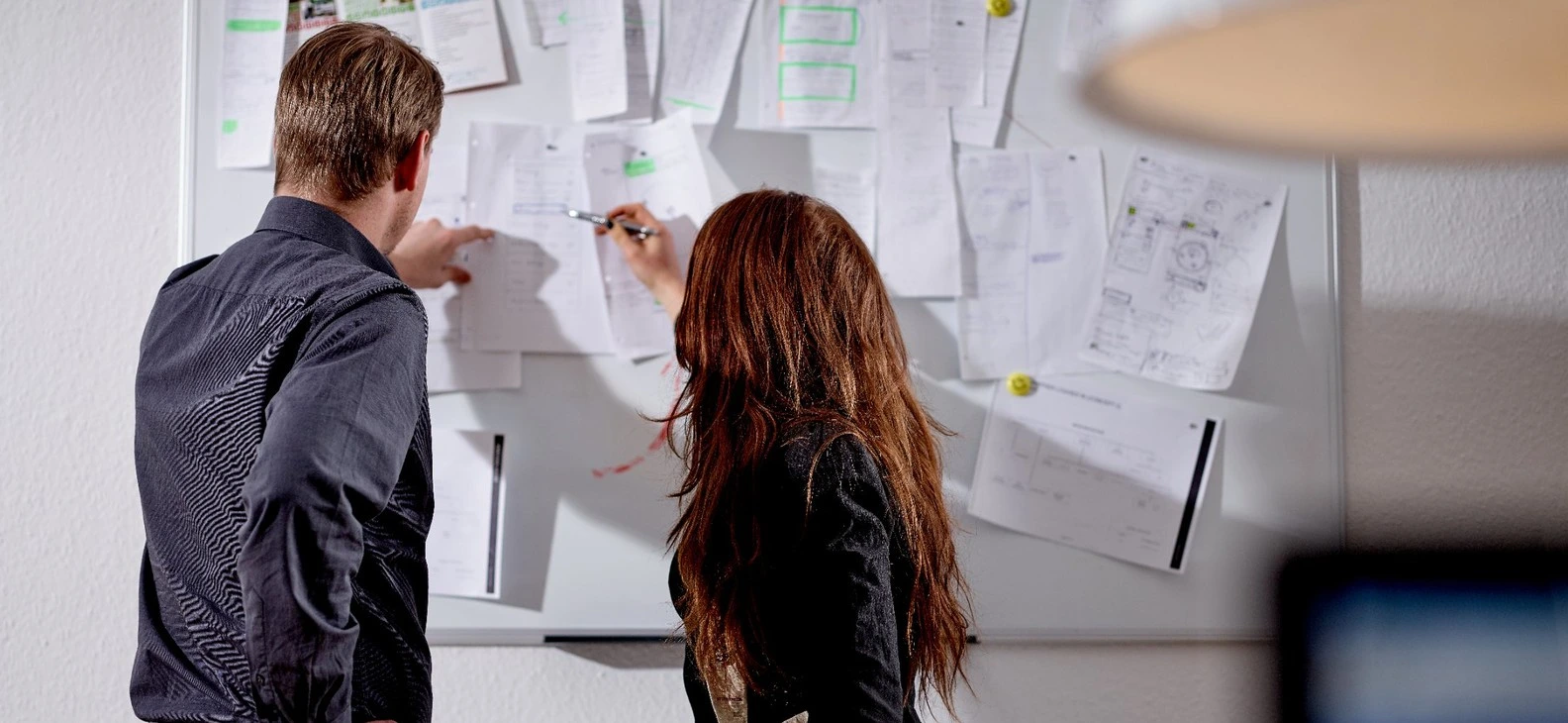
With new domains, work begins with a common understanding of users, processes, and constraints. Workshops and discovery help to see behind concrete requirements. It is crucial to answer product questions together with the people who know technical and operational contexts.
I align roadmaps with user value, business impact, effort and strategic relevance. The focus is on results and a comprehensible prioritization. The organization deals with the right problems and makes their impact visible.
New opportunities need good standards.
AI-powered work is part of design and development practice. Interview notes and workshop results can be condensed more quickly into structured insights, requirements, wireframes and first prototypes. In this way, product ideas become discussable and verifiable earlier.
In Franke development, the team uses Claude Code and Codex to write and test code. My job is to set rules, empower the team and organize the exchange of knowledge about the new ways of working.
Enable speed
Faster initial designs and working prototypes facilitate early feedback. They create space for more scrutiny and better decisions.
Quality binding
Four-eye review, automated testing, end-to-end exams, accessibility and common components remain part of the process.
What the organization is wearing today.
Ventzke Media has been combining corporate development with practical product work for more than 18 years. For me, the development of people and structures is the most important connection behind the individual cases: long-term cooperation becomes possible when responsibility, standards and learning ability are anchored in the team.
Six insights from this work have shaped my approach to this day: developing people, enabling ownership, creating clarity, staying practically connected, putting impact before pure activity, and adapting the organization before it becomes limiting.